
Why Routine Dental Care Matters
Many dental problems develop quietly. Early decay, gum inflammation, tooth wear, cracks, and changes around existing restorations may not cause noticeable symptoms at first. Regular dental cleanings and examinations with a general or family dentist can identify these changes earlier, when more conservative treatment may still be possible.
Preventive dental care also creates a useful baseline for understanding your oral health over time. Comparing current examinations, images, periodontal findings, and cleaning visits with previous records can make gradual changes easier to recognize. Thorough dental visits help confirm what remains healthy and stable while identifying areas that may benefit from attention or continued monitoring.
How Often Should You Have a Dental Cleaning?
Your recommended schedule for dental cleanings and examinations should reflect your individual oral health, dental history, and preventive care needs. Regular visits provide an opportunity to monitor changes over time and maintain the health of your teeth and gums.
Factors that may influence how frequently we recommend preventive or periodontal visits include:
- History of cavities
- Gum and periodontal health
- Dry mouth
- Tobacco use
- Extensive existing dental work
- Oral hygiene needs
- Medical factors that affect oral health
- Previous periodontal treatment
Some patients benefit from more frequent professional care, while others with stable oral health may need a different schedule. We will recommend an interval based on what we actually find.
Returning After Time Away From the Dentist
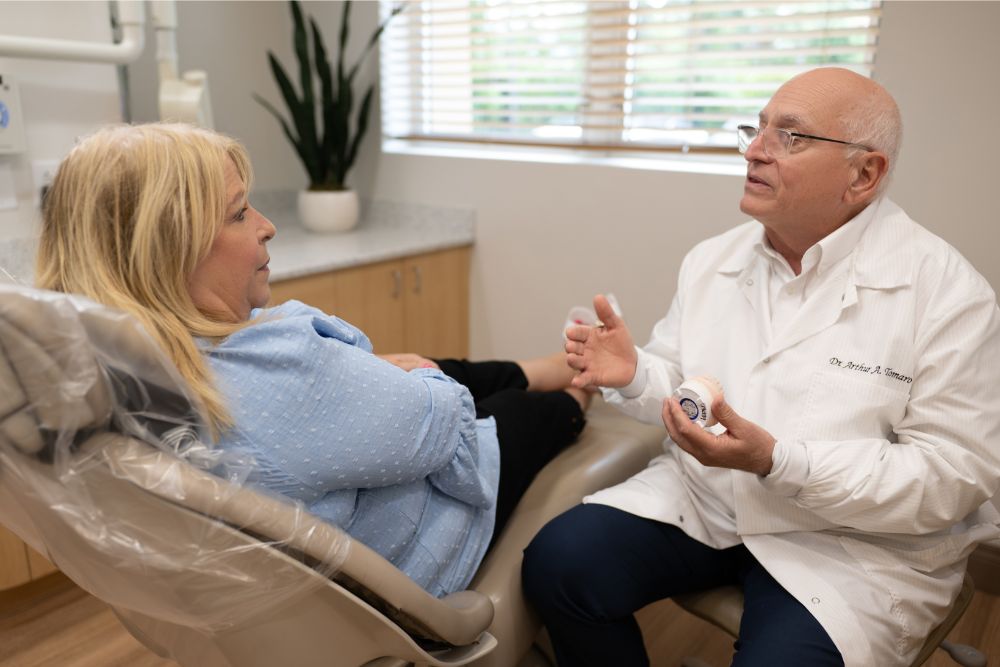
If several years have passed since your last dental cleaning or examination, the first step is simply establishing where your oral health stands now. Returning to general dental care should not come with a lecture about the gap.
Our family dentist will examine your teeth and gums, explain the findings, and help you understand which concerns deserve attention first. We will also explain whether a routine dental cleaning is appropriate or whether your gums need a different level of care. From there, you can rebuild a consistent preventative dental care routine at a manageable pace.
If dental anxiety contributed to the delay, let us know. Some patients prefer a slower first visit with more explanation before treatment begins, and that information helps us provide a more comfortable experience.
Understanding the Process
Dental Cleanings & Exams
Dental cleanings and exams combine professional hygiene care with a thorough evaluation of your oral health. The exact approach to each preventative visit depends on your dental history, current condition, and individual needs.

Comprehensive Dental Examination
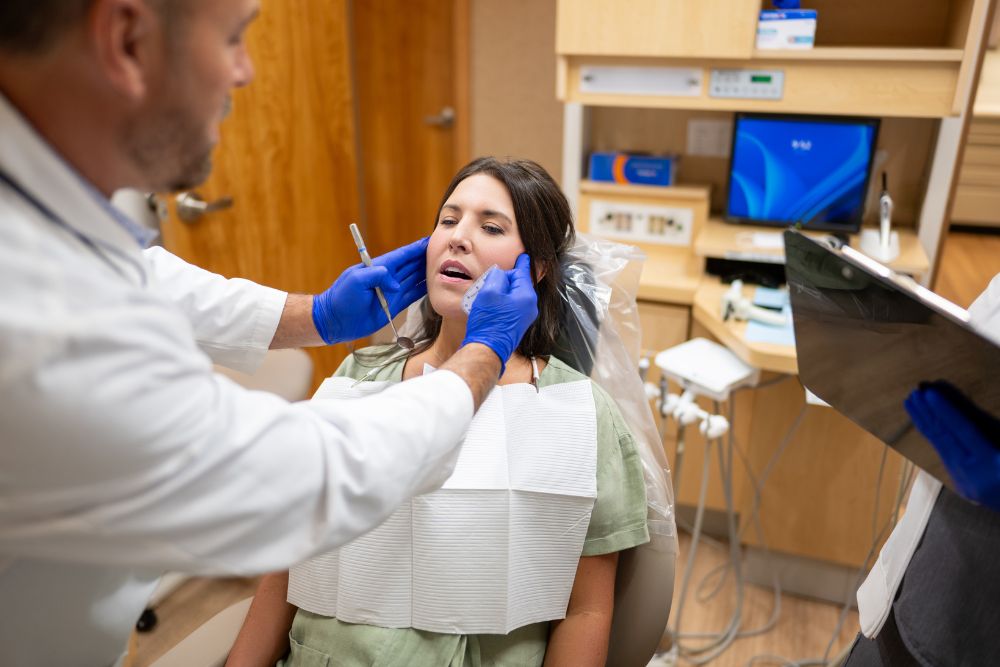
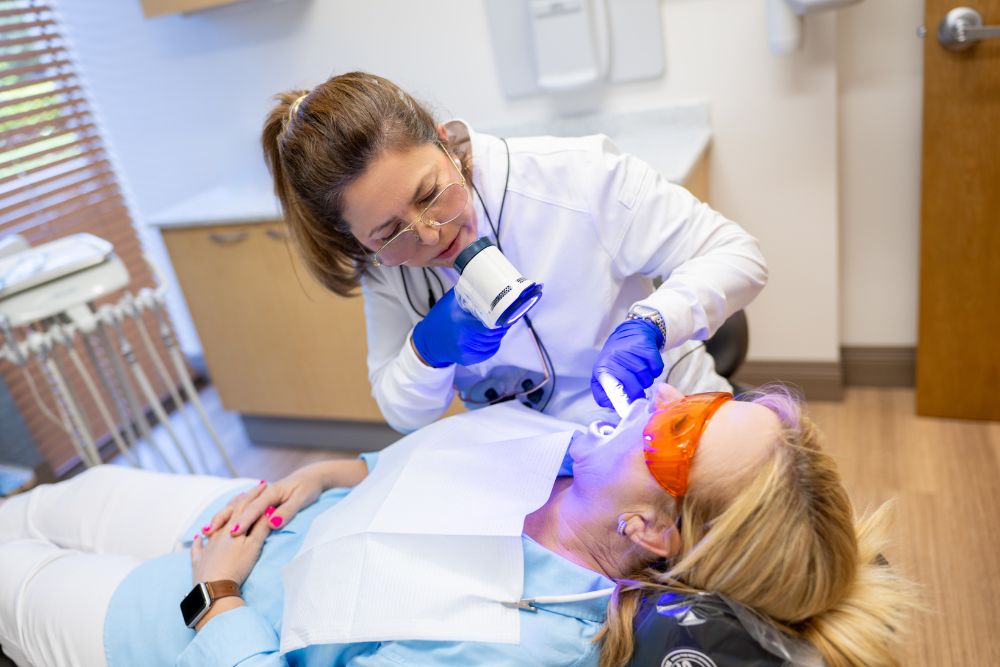
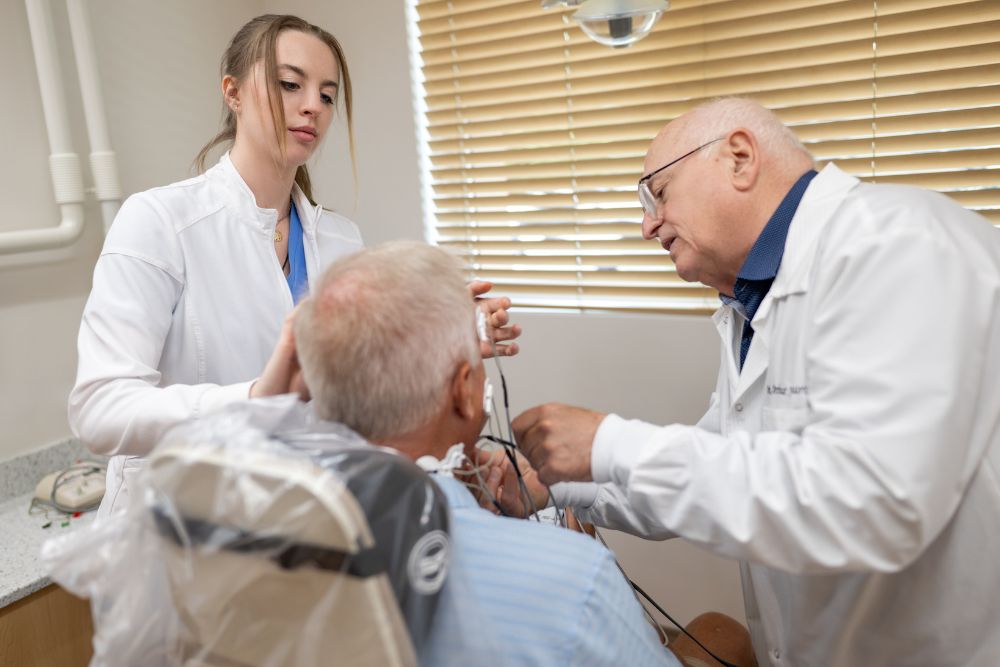
The dentist evaluates your teeth, existing fillings and crowns, areas of wear, bite, gums, and other aspects of your oral health. We also examine the tongue, cheeks, palate, and other visible oral tissues for changes that may require attention. When appropriate, VELscope technology may be used as an adjunctive visualization tool. It can provide additional information about oral tissues but does not replace a clinical examination or independently diagnose oral cancer.
Professional Cleaning and Gum Health
Your hygienist removes plaque and hardened deposits that brushing and flossing cannot completely eliminate, then polishes your teeth and discusses areas where home care may be challenging. We also evaluate your gums and may record periodontal measurements when appropriate to identify inflammation or deeper concerns. If routine preventive dental cleanings are not enough, we will explain what we find and recommend the appropriate level of care.
Understanding What We Find
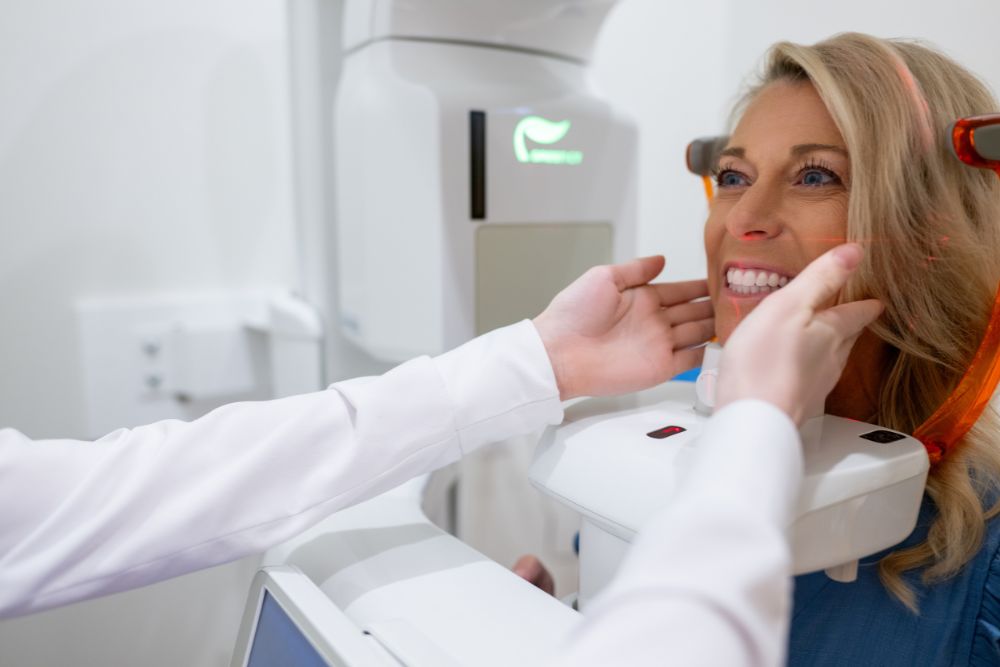
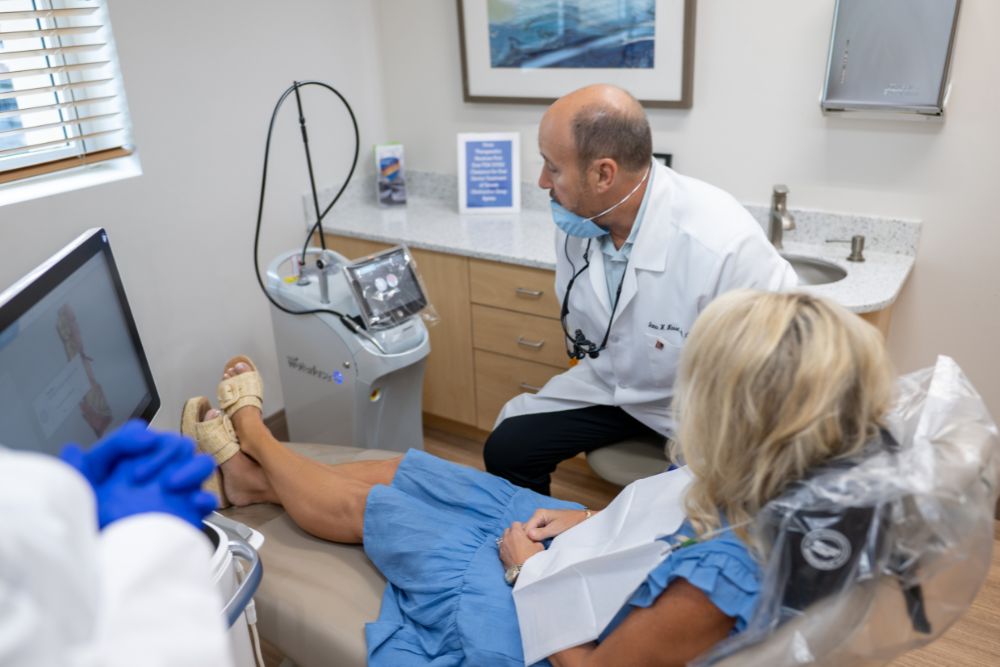
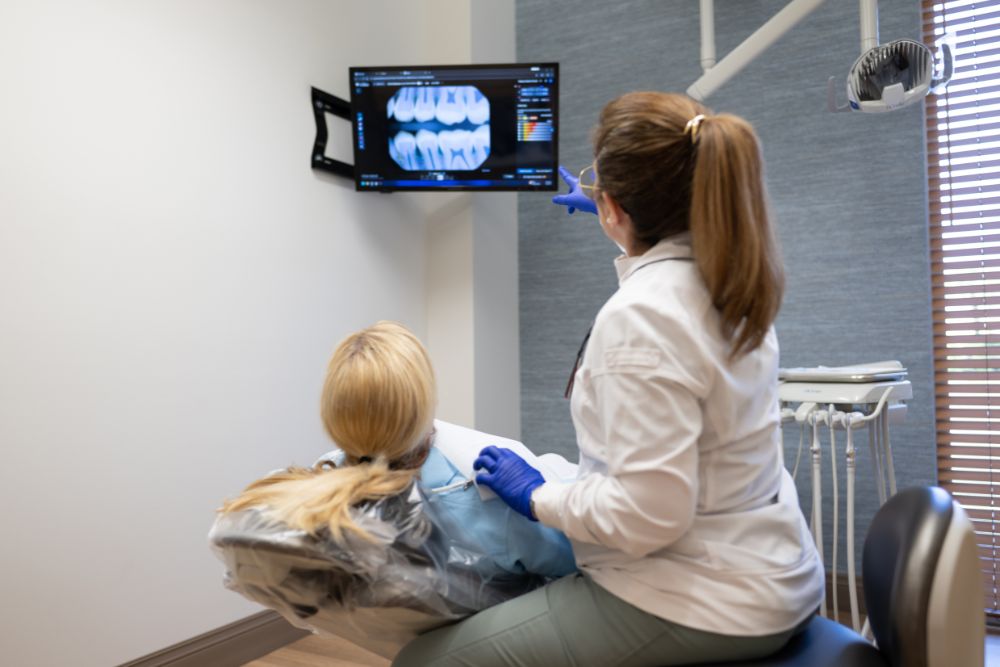
If something deserves a closer look, we explain why and may use an intraoral camera or other imaging to help you see the area clearly. Not every finding requires immediate treatment. We distinguish between concerns that should be treated, areas that need additional evaluation, and findings that can simply be monitored.
Frequently Asked Questions
Routine Dental Care
FAQs
Dental cleanings are familiar procedures, but patients still have practical questions about comfort, timing, radiographs, and the difference between preventive and periodontal care. These answers provide a useful starting point.
When a Routine Visit Reveals Something More
Preventive dentistry occasionally reveals patterns that are worth discussing, even when they were not the reason you scheduled the appointment. Significant tooth wear, clenching, dry mouth, tongue posture, or other findings can provide useful context about what is happening elsewhere in the mouth.
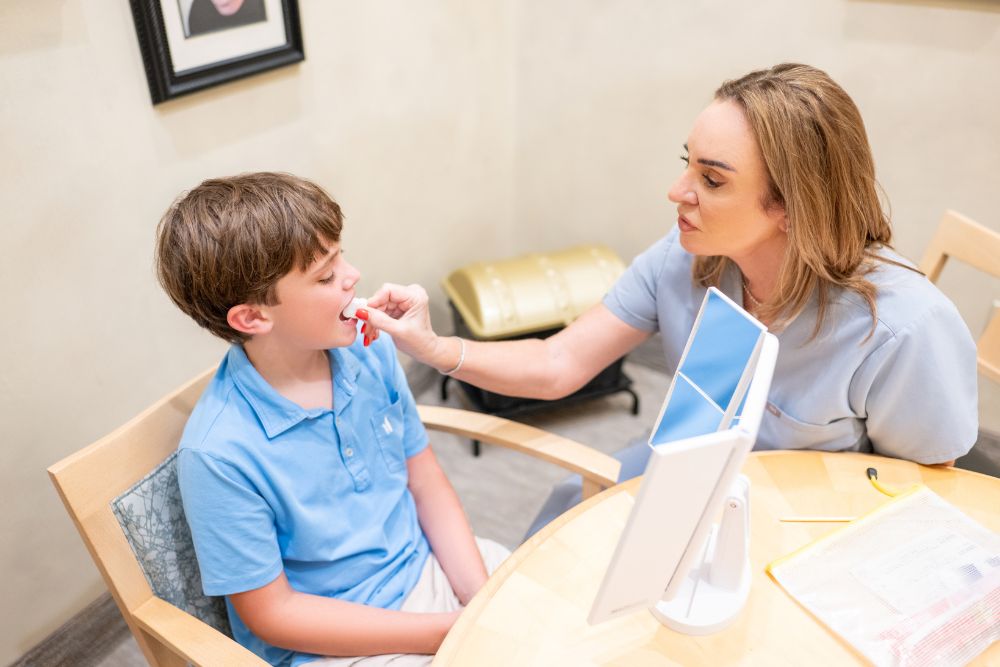
Massa Dental Center takes a broader view when those findings are clinically relevant. For selected patients, oral muscle function may deserve additional attention. Our myofunctional therapy page explains that area of care in more detail.
What If You Are a New Patient?
A first visit often involves more information gathering than a routine return visit. We want to understand your dental history, current concerns, previous treatment, and what you hope to achieve through your care.
Whether a professional dental cleaning can be completed during that same visit depends on the type of evaluation scheduled and what we find. Some patients may need a different level of hygiene or periodontal care.
Our team will explain how your first visit is structured beforehand so you know what to expect when you arrive.
Schedule a Dental Cleaning in Naples
Whether you have stayed consistent with preventative care or are returning after time away, the first step is understanding where your oral health stands now.
Our Naples, FL family dentists will identify what needs attention, confirm what remains healthy, and explain your options without assuming every finding requires treatment. From there, we can create a practical general dental care plan that supports your health moving forward.