
Need Emergency Dental Care in Naples, FL?
Some dental emergencies require prompt attention. Taking the right steps while contacting our Naples, FL dental office can help protect the tooth and reduce the risk of further damage.
Knocked-Out Permanent Tooth
Hold the tooth by the crown, not the root. Rinse it gently with water without scrubbing. If possible, place it back in the socket. Otherwise, keep it moist in milk or a tooth-preservation solution and seek urgent dental care. Never replant a baby tooth.
Cracked, Broken, or Chipped Tooth
Rinse with warm water, apply a cold compress for swelling, and save any tooth fragments. Avoid chewing on that side until one of our Naples, FL dentists can evaluate the damage.
Severe Toothache
Rinse with warm water and gently floss if food may be trapped. Use an over-the-counter pain reliever only as directed and safe for you. Never place aspirin against the tooth or gums. Severe or worsening pain requires urgent dental care because medication will not treat the cause.
Lost Crown or Filling
Save the crown if you have it, keep the area clean, and avoid chewing on that side. Never use household glue to reattach a crown. Our Naples, FL dentists will determine whether the restoration can be reused or the tooth needs a new repair.
Facial or Gum Swelling
Swelling may signal a dental infection and requires urgent dental care. Seek emergency medical help for difficulty breathing or swallowing, rapidly increasing swelling, or swelling spreading toward the eye or neck.
Bleeding That Will Not Stop
Apply steady pressure with clean gauze without repeatedly removing it. Seek urgent dental or medical care if the bleeding is heavy, continues despite firm pressure, or follows significant facial trauma.
Understanding Dental Emergencies
What to Expect During Your Visit
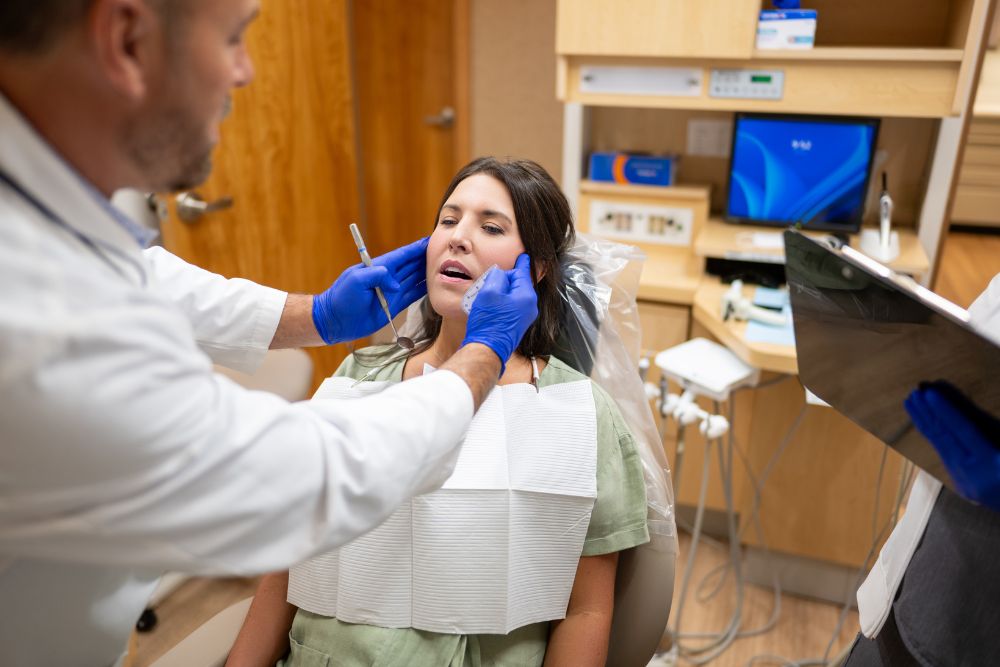
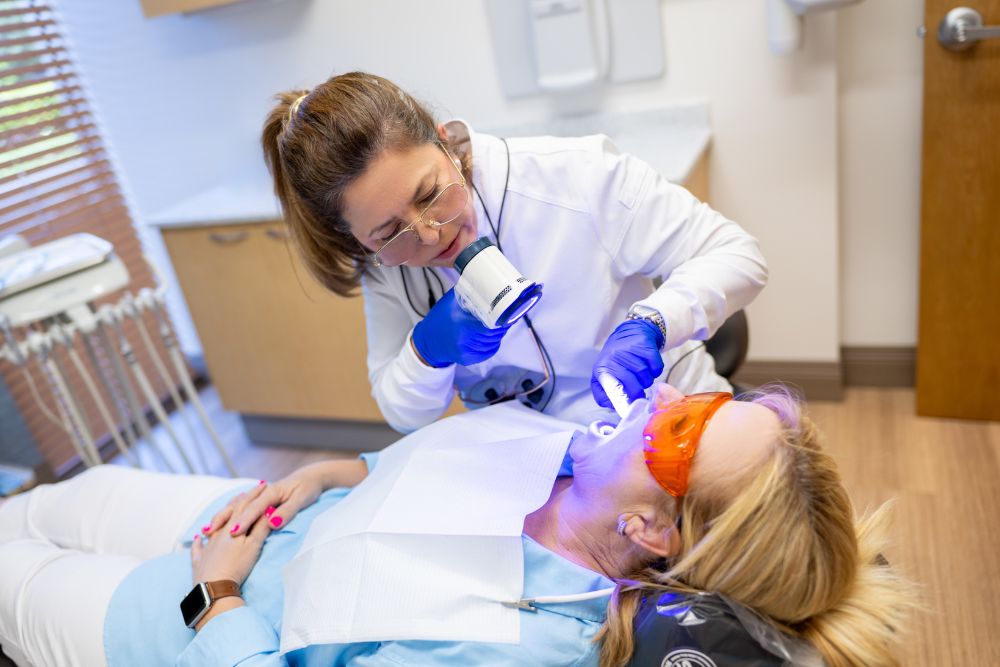
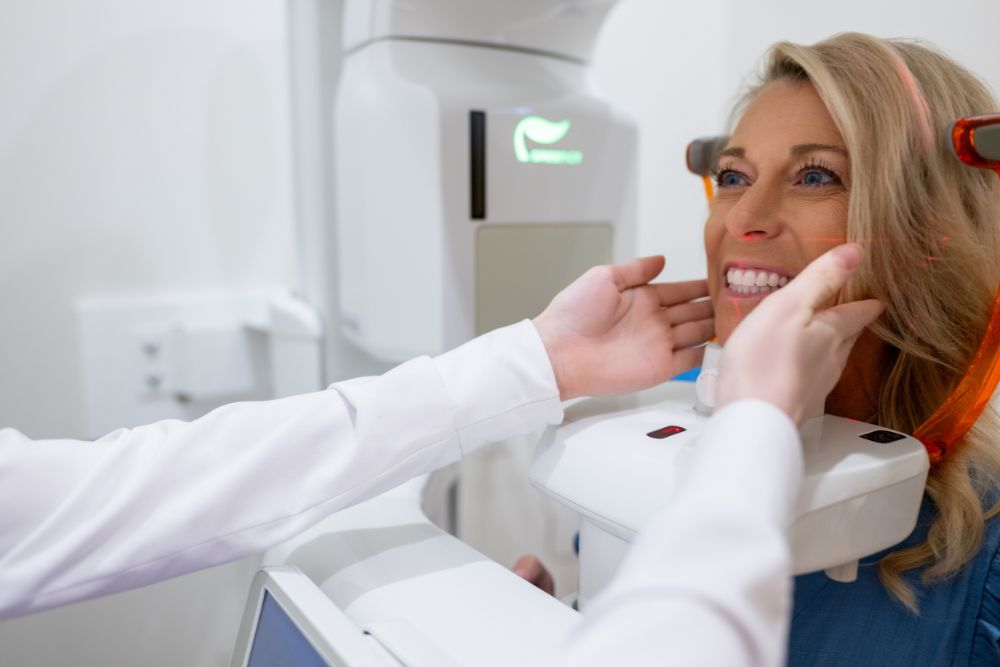
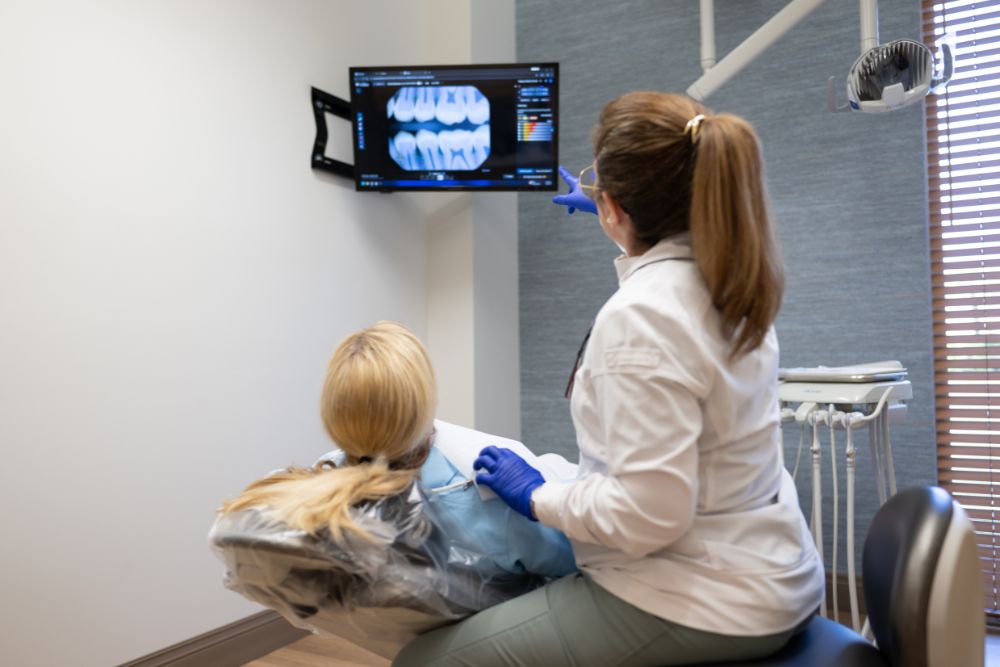
During an emergency dental visit, our Naples, FL dentists first determine what happened, what needs immediate attention, and the safest next step. The examination focuses on the area causing pain, swelling, damage, or difficulty using the tooth. Digital imaging may also be used when it provides information that cannot be seen during the examination.

Evaluating the Immediate Problem
We examine the affected tooth and surrounding tissues to determine the source and extent of the problem. Depending on the situation, digital imaging may help us evaluate the tooth, roots, surrounding bone, or other structures that cannot be fully assessed during a clinical examination.
Stabilizing and Relieving the Problem
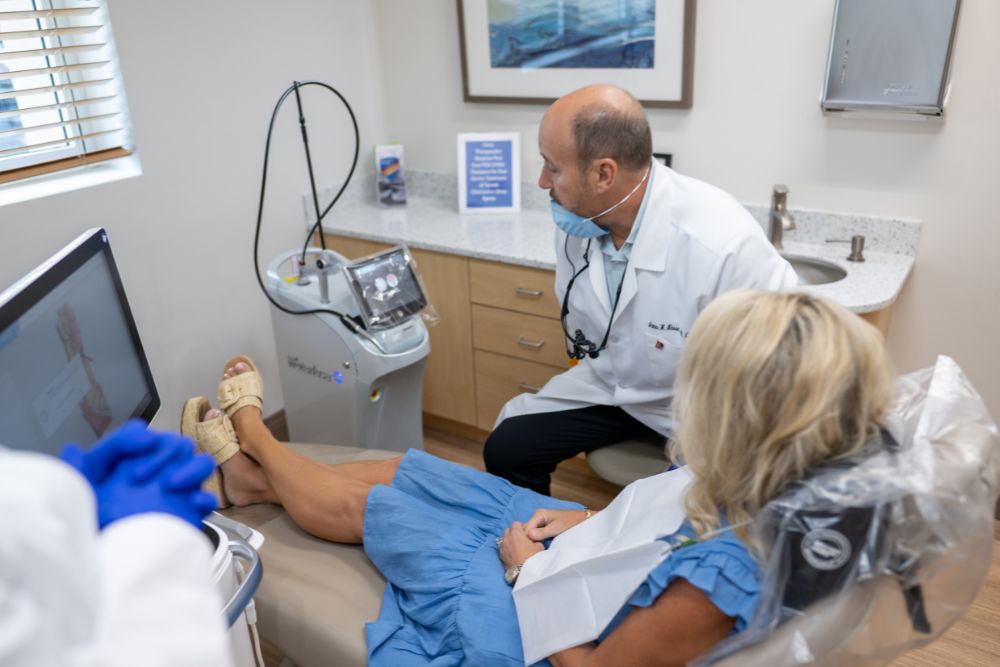
When appropriate, treatment may focus on protecting or stabilizing a damaged tooth, addressing a failed filling or crown, managing acute dental discomfort, or developing a restorative plan for a fractured or otherwise compromised tooth. The immediate goal is to address the urgent concern while preserving options for definitive treatment.
Planning the Next Step
Not every dental emergency can be permanently resolved in a single appointment. Some conditions may require additional restorative treatment, root canal therapy, extraction, surgical care, or coordination with another dental provider. If the necessary treatment falls outside our current scope, we will explain the situation and help guide you toward the appropriate next step.
Frequently Asked Questions
Emergency Dentistry
FAQs
Dental emergencies create practical questions about timing, pain, medical care, and what happens next. These answers provide general guidance, but calling the practice is the best way to discuss your specific situation.
When Is a Dental Problem an Emergency?
If you are unsure how urgent a problem is, calling is appropriate. Some concerns need prompt dental attention, while others can safely wait for a scheduled evaluation.
Contact a dentist promptly for concerns such as:
- A knocked-out permanent tooth
- Severe or worsening tooth pain
- Swelling or signs of infection around a tooth or the gums
- A broken tooth or dental injury causing significant pain
- A lost restoration accompanied by substantial discomfort
- Bleeding that is difficult to control
A small, painless chip or loose restoration may not need immediate treatment, but it should still receive prompt dental attention before more damage develops.
Major facial trauma, difficulty breathing or swallowing, rapidly spreading swelling, or other serious symptoms require emergency medical care. Do not wait for urgent dental care or a routine dental visit when your breathing, airway, or overall health may be at risk.
Why Did the Tooth Break?
Once the immediate problem has been evaluated, understanding why it happened can help reduce the chance of repeating the same cycle. Teeth and restorations can fracture for many reasons, including:
- Large older fillings
- New decay around existing dental work
- Cracks that have progressed over time
- Significant tooth wear
- Trauma
- Grinding or clenching
- Loss of supporting tooth structure
A broken tooth does not automatically indicate a bite disorder. When repeated fractures, substantial wear, clenching, or jaw symptoms occur together, however, those patterns may deserve a closer look.
Our dental crowns and bridges page explains restorative options for significantly damaged teeth. Patients who also experience persistent jaw discomfort or substantial grinding-related concerns can explore our approach to TMJ treatment.
Call About an Urgent Dental Problem
If a tooth has broken, become severely painful, come loose, or developed sudden swelling, prompt evaluation can help determine what needs immediate attention.
Our Naples, FL dentists assess the symptoms, examine the affected area, and explain whether you need urgent dental care, restorative treatment, or monitoring.