What is Sleep Apnea?
There are three types of sleep apnea, with obstructive sleep apnea (OSA) being the most common. OSA occurs when the throat muscles relax too much during sleep and collapse into the airway. Each time this collapse blocks breathing, the brain signals the body to restart airflow, often triggering choking, snorting, or gasping sounds as breathing resumes. These disruptions can happen hundreds of times per night, repeatedly fragmenting sleep.
Airway obstruction is not always caused by soft tissue collapse alone. Structural limitations, such as narrow dental arches or an underdeveloped jaw, can also reduce the space the airway needs to function properly during sleep. This is where dental sleep medicine becomes relevant. Dental sleep medicine includes airway evaluation and oral appliance therapy planning that considers how oral structures influence nighttime breathing, offering a coordinated model of care for sleep-disordered breathing that patients can realistically maintain.
When patients seek comprehensive dental care in Naples, Florida, they can also receive support rooted in dental sleep medicine, where oral structures and sleep breathing mechanics are evaluated together rather than treated as separate concerns. This alignment can help patients move toward a sleep plan that feels more sustainable for nightly use.
Sleep interruptions caused by OSA are more than disruptive—they place repeated oxygen and cardiovascular stress on the body throughout the night. Protecting long-term health means finding a sleep apnea approach that supports the airway comfortably enough for consistent use, because consistency is what reduces the ongoing strain untreated sleep apnea places on blood pressure and cardiovascular systems during sleep.
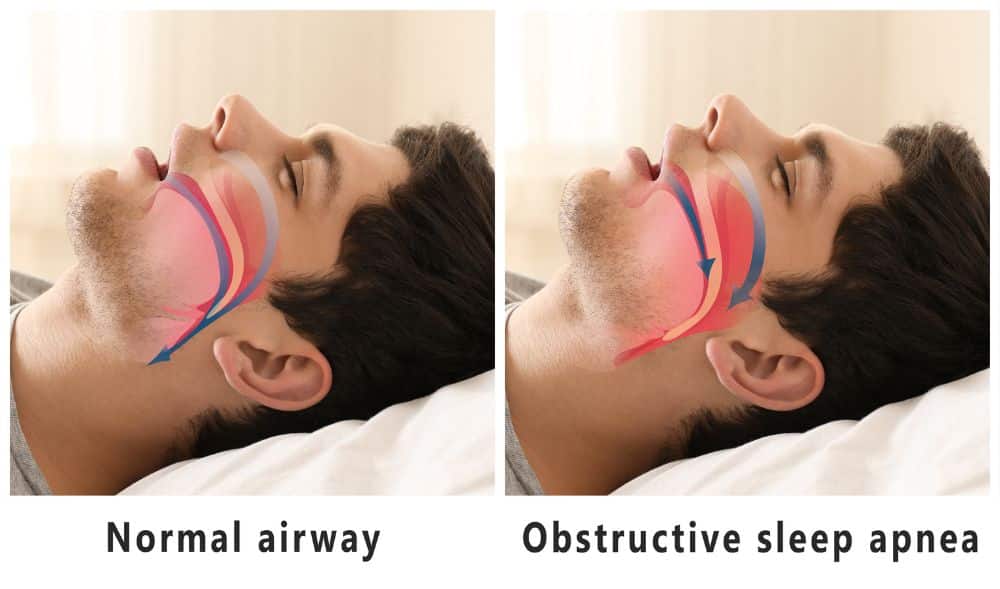
OSA prevents people from getting a good night of sleep because it’s interrupted the entire time. Without proper deep sleep, people often experience exhaustion during the day, in addition to other bothersome symptoms.
Without treatment, sleep apnea can contribute to serious health consequences including stroke, heart attack, diabetes, and more.
- 100% of Americans are directly or indirectly affected by snoring and sleep apnea.
- According to the Journal of Sleep Medicine, 38,0000 annual cardiovascular deaths are related to sleep apnea.
- According to Mayo Clinic, 1 in 5 people have shortness of breath.
- More than 133 million Americans live with a chronic disease or disability.
- According to the 2006 Institute of Medicine (IOM) reports, Sleep Disorders and Sleep Deprivation: An Unmet Public Health Problem, found the cumulative effects of sleep loss and sleep disorders represent an unrecognized public health problem and have been associated with a wide range of negative health consequences, including hypertension, diabetes, depression, heart attack, stroke, and at-risk behaviors such as alcohol and drug abuse.
What Causes Snoring?
Although snoring is a common symptom of sleep apnea, it doesn’t always mean you have sleep apnea. When someone doesn’t have sleep apnea but they snore every night, it’s likely bothersome to their sleeping partner and causing them to have a sore throat. Snoring is a result of a narrow airway. It can be a result of a nose or throat condition, using alcohol, sleeping on your back, or even from carrying extra weight. With an oral appliance, Dr. Massa can treat your snoring to help you sleep soundlessly at night.
- Your sleep apnea may be a result of an obstruction in the airway caused by narrow dental arches and/or an underdeveloped jaw.
- In 98% of patients with OSAS, the condition is due to abnormal anatomical features of the soft tissues and/or the structure of the maxillomandibular skeleton that cause disproportionate anatomy of the airway.
Symptoms of Sleep Apnea
If you suspect you have sleep apnea, look for one or more of the following symptoms.
- Loud snoring
- Gasping, choking, or snorting throughout the night
- Waking up with a headache
- Waking up with a sore throat or dry mouth
- Difficulty concentrating
- Irritability
- Mood issues
- Difficulty staying asleep
Sleep Apnea in Children
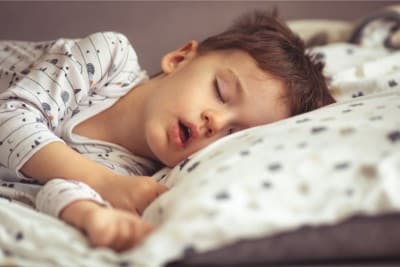
Adults aren’t the only ones at risk for sleep disorders. Children can also develop sleep apnea as a result of an underdeveloped jaw and compromised airway. Without early intervention, children can experience mood, behavior, energy, and vitality changes.
Signs your child might have sleep apnea include:
 ADD/ADHD
- Bedwetting
- Chronic allergies
- Dark circles under the eyes
- Trouble at school
- Irritability
- Frequent headaches
- Snoring
- Restless sleep
- Aggressive behavior
- Daytime drowsiness
- Nightmares or night terrors
- Arrested growth
- Crowded, crooked teeth
If your child is struggling with any of the issues listed above, they might be a result of untreated sleep apnea. Please contact our dental office at (239) 597-7333 to schedule an appointment for an evaluation. If your child does have sleep apnea, we will help them find the right treatment to correct their problems. If an underdeveloped jaw is the cause, the Vivos® appliance will correct the development issues and resolve the sleep apnea, improve breathing, and overall oral health.
Diagnosing Sleep Apnea
Diagnosing sleep apnea is one of the first steps you should take if you think you have it. Although only a physician can technically diagnose sleep apnea, Dr. Massa can point you in the right direction for a proper diagnosis. By taking a home sleep test, or visiting a sleep clinic, a doctor can monitor and evaluate your sleep to see if there are any signs of sleep apnea.
Once you have an official diagnosis, Dr. Massa can evaluate your airways to see if you could benefit from physiologic dentistry to expand your airway or if you need another treatment like an oral appliance. Dr. Massa’s additional certifications in the Buteyko Method and as a VIVOS Integrated Provider give patients more options for improving airway function naturally and effectively.
Oral Appliance Sleep Apnea Treatment
Patients in Collier County, Florida often assume sleep apnea care means CPAP. CPAP therapy uses a loud machine and a mask system to prevent the tongue and soft tissues from blocking the airway during sleep. While clinically effective, most patients stop using CPAP within weeks because it feels difficult to sustain.
Dr. Massa understands the frustration that comes with CPAP intolerance. This is why he offers custom oral appliance therapy as part of his dental sleep medicine care in Collier County, Florida.
Oral appliance therapy replaces the mask and noise with a small, comfortable, mouth-fitted device. Each appliance is custom made to fit precisely and is designed to support your airway through gentle stabilization and positioning. Options include:
- Devices that guide the lower jaw forward to increase airway space
- Appliances that stabilize the tongue to prevent obstruction
- Custom mouth-fitted sleep devices built for comfort and nightly use
Dr. Massa also expands airway and breathing care beyond appliances through instructor-level training and clinician education. His credentials include:
- Certified Provider of the Buteyko Clinic Method
- Advocate Instructor and Integrated Provider for VIVOS Therapeutics
- Integrated provider of airway-focused dental sleep solutions
Through the Buteyko Clinic Method, Dr. Massa applies breathing retraining principles to help patients:
- Reduce chronic mouth-breathing during sleep
- Improve CO₂ tolerance and oxygen efficiency
- Reinforce nasal-first breathing mechanics for better airway support
The main goal of Dr. Massa’s sleep care philosophy is consistency. Effective treatment only works when patients can comfortably use it night after night. Consistent use is the only proven way to reduce the major systemic health risks of untreated sleep apnea, including:
- Heart attack risk from oxygen deprivation stress
- Increased likelihood of stroke due to airway obstruction
- Chronic elevation of blood pressure from poor nighttime breathing
By combining custom appliances, breathing science through the Buteyko Clinic Method, and clinician education as a VIVOS Therapeutics Advocate Instructor, Dr. Massa continues to broaden what dental sleep medicine means for families in Collier County, Florida.
Benefits of Oral Appliance Therapy
Whether you’re transitioning from CPAP or exploring snoring and sleep apnea care for the first time, oral appliances offer benefits that align well with modern dental sleep medicine. Dental sleep medicine includes custom-fit devices designed to support your airway during sleep in a way that feels sustainable for nightly use.
Oral appliances feel similar to wearing a retainer or night guard. They don’t require navigating sleep with a large mask or headgear, and because the device fits entirely inside the mouth, it stays discreet throughout the night. Many patients find this helps their sleep plan feel easier to maintain long term.
Because oral appliances are small, they are also easy to pack and transport. Preparing for an overnight trip is as simple as placing the appliance in your travel bag alongside your toothbrush. There’s no machine, cords, or mask to manage, making it a more straightforward option for patients who want a sleep solution that fits naturally into daily life.
When insurance coverage is available, many patients use their benefits to offset appliance costs. When coverage isn’t part of the plan, patients often feel reassured knowing the device does not carry the same financial and lifestyle friction associated with CPAP equipment, especially for short trips, nightly comfort, and ease of use.
If you’d like to learn more about oral appliance therapy or explore a plan that supports better rest and reduced snoring, you can call (239) 597-7333 to schedule a consultation that considers your airway, comfort, and long-term consistency.
Fotona Nightlase Laser Snoring Treatment
Snoring can have a huge impact on your quality of sleep, and it could mean that you’re suffering from sleep apnea. Either way, Massa Dental Center has options to improve your quality of sleep and your quality of life.
The Lightwalker Laser is a non-invasive procedure with no downtime. Dr. Massa will use the laser to convert and begin the formation of more elastic – and new – collagen on your oropharynx, soft palate, and uvula. This visibly elevates the soft tissue in the back of your throat, creating more room for oxygen to pass through. The result is easier breathing, less snoring, and a more restful night’s sleep.

Sleep Apnea FAQs
Sleep apnea and chronic snoring can raise many questions, especially when you’re exploring treatment options beyond CPAP. Below are answers to some of the most common questions patients ask about sleep apnea, oral appliance therapy, and improving nighttime breathing.
Contact Us Today
Want to learn more about the various sleep apnea and snoring treatment options offered at Massa Dental Center? Give our office a call today at (239) 597-7333 for more information, or use our online contact form to schedule an appointment. One of our sleep dentists can make your day by improving your sleep.